





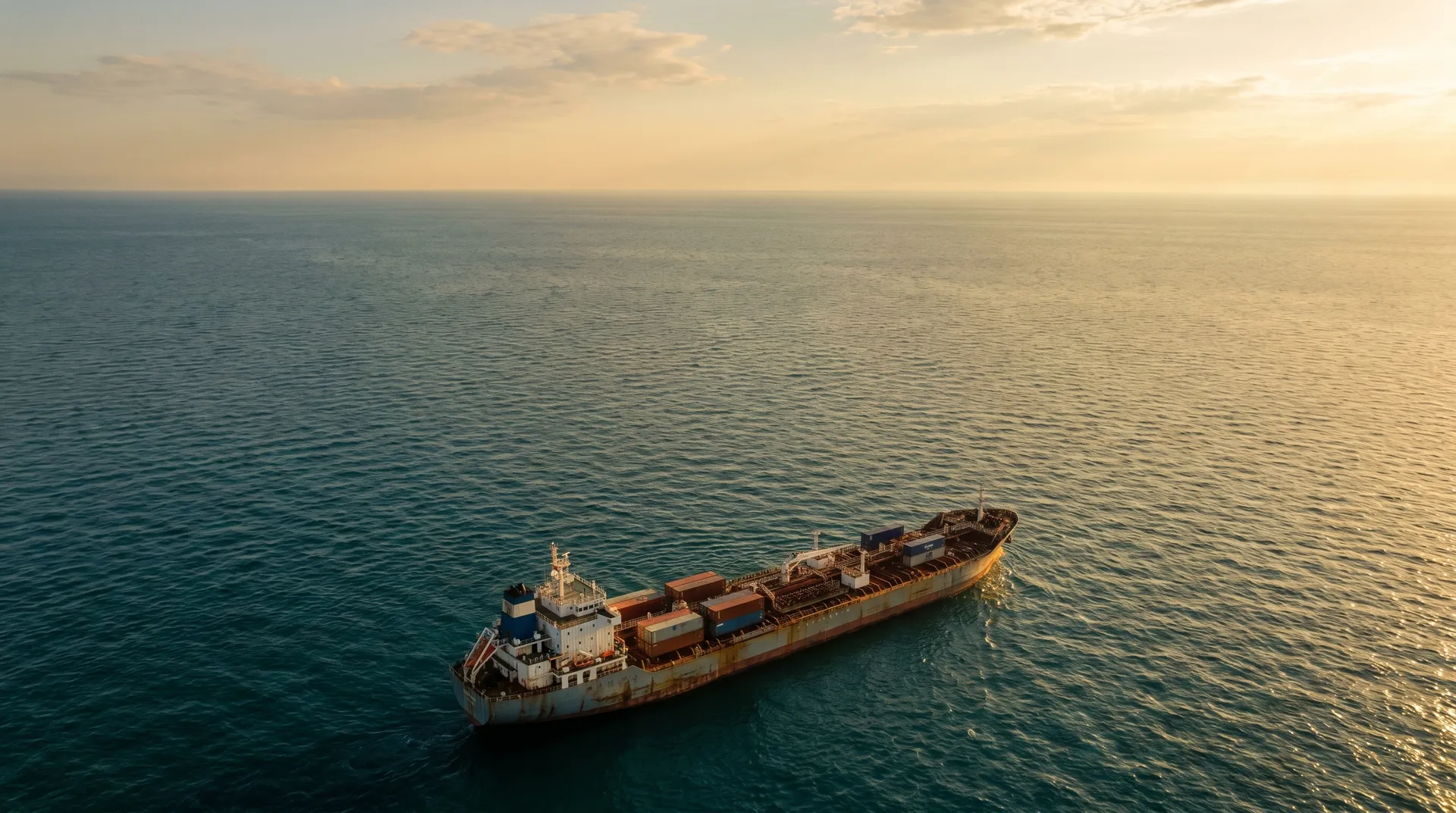
The Caspian Sea is closed — it does not connect to any ocean. This is what makes it logistically valuable at a time when open sea corridors are unstable. The blockade or threats in the Strait of Hormuz do not affect ships in the Caspian Sea in any way.
Routes across the Caspian Sea
The main lines that are currently in use:
Astrakhan (Russia) — Enzeli (Iran). Ferry service, several ferry operators with varying regularity. Cargo goes from the central regions of Russia to the north of Iran, from there further south to Iranian ports or to Central Asia.
Aktau (Kazakhstan) — Baku (Azerbaijan) — Alat. The Trans-Caspian corridor, which has been actively developing since 2022-2023. It connects Central Asia with Azerbaijan and Turkey.
Turkmenbashi (Turkmenistan) — Baku. The line is less busy, but it's working.
MTK North–South without Hormuz
The North–South International Transport Corridor has several branches. The eastern branch runs through Kazakhstan and Turkmenistan to Iran and beyond. The central one is across the Caspian Sea. The western route passes through Azerbaijan and Iran overland.
With Hormuz closed, only the central and western branches remain fully operational — they do not use the Iranian seaports in the south. This is exactly the route that became more active during the April-May crisis.
According to industry sources, cargo traffic through Astrakhan increased significantly in April–May 2026 compared to the same period in 2025. There are no exact figures, but ferry line operators are recording increased demand.
Route restrictions
The Caspian route is not unlimited. The ferry infrastructure is limited: the capacity of the ports of Astrakhan and Olya is inferior to large sea terminals. Transit times through the Caspian Sea are longer than through Hormuz, with increases ranging from 5 to 10 days, depending on the destination.
In addition, Iran remains under sanctions. Working with Iranian partners across the Caspian Sea requires careful legal study: which goods can be transported, through which legal entities and with which payment schemes.
Practical recommendations
For companies that consider the Caspian route as a working option: request up-to-date rates from ferry line operators (they have increased due to demand), check transit times taking into account the current port load, make sure that the sanctions documentation is up-to-date for goods passing through Iranian territory.
The route is working. But with the same limitations that existed before the crisis, it's just that now they've been remembered.