








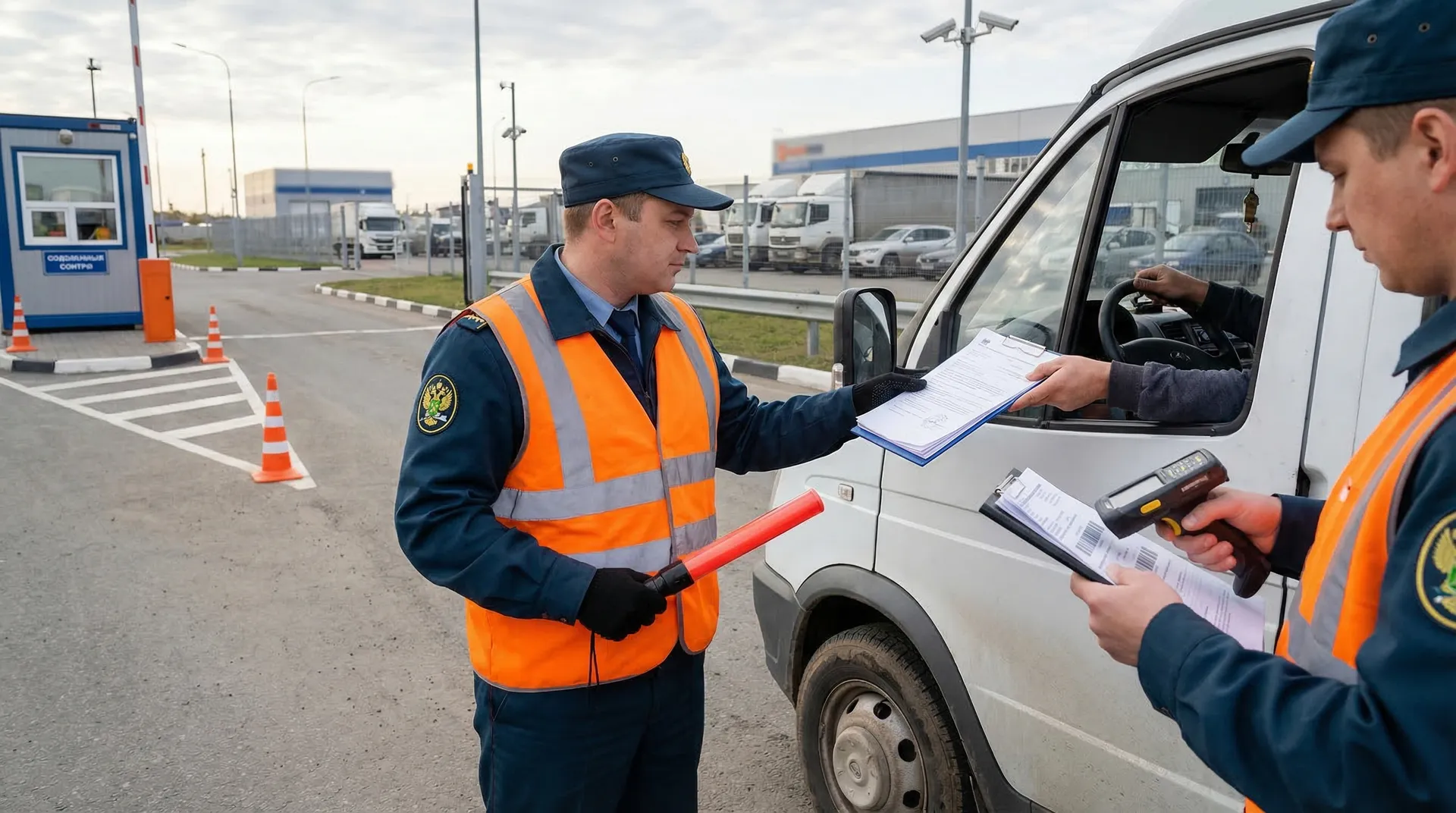
In the third reading, the State Duma approved amendments to customs regulations that enhance the manageability of road controls and unload warehouses for storing unclaimed vehicles and goods. The law sets up two sensitive areas: the powers of customs during vehicle inspections and the algorithm by which "suspended" shipments and vehicles receive further legal status.
The first block concerns situations where customs control reveals signs of violations that go beyond the competence of customs authorities. In such cases, a clear route for the transfer of materials is prescribed: the customs sends the information to the relevant agency, after which it returns the vehicle or goods to the owner or his representative in the absence of other grounds for retention. In the explanation to the adopted law, this mechanism is described through a practical example: data can go to Rospotrebnadzor or Rosselkhoznadzor.
The second block solves the problem of storing unclaimed vehicles and goods. The period for posting information about such property on the official resource is halved: from 60 to 30 days. The logic of the changes is based on statistics from the materials for the initiative: A significant part of the owners who are ready to take the property appear in the first days after publication, and further storage generates costs and overloads the infrastructure.
The key legal safeguard in the law is preserved and emphasized separately. The wording sounds harsh and removes the main risk for bona fide owners: "the conversion of such goods and vehicles into federal ownership is carried out exclusively by judicial decision." This means that shortening the publication period does not turn into automatic confiscation under the administrative procedure.
For the transportation and foreign economic activity market, the changes have several applied effects. Carriers get a clearer outline of stops and checks in control areas. Logistics operators and warehouses reduce the burden of long-term storage of unclaimed vehicles and shipments, which occupy space and create separate costs for security, accounting and safety. Importers and exporters should update their internal regulations in advance: who is responsible for communicating with the cargo owner, how the representative's power of attorney is issued, what reaction times are considered critical to the publication of information, and what package of documents is being prepared for return.
The law comes into force 90 days after its official publication. Companies that operate with car traffic through customs control zones will receive a window to set up procedures and contracts with carriers and warehouse sites.