







Doing business with Chinese companies opens up wide opportunities for importers, but at the same time carries significant risks. Fake licenses, fictitious firms, and unscrupulous intermediaries can result not only in loss of money, but also in disruption of supply chains. How to recognize an unreliable counterparty before signing a contract and protect yourself from possible losses — said Azat Nasyrov, Managing Partner of the international RSI GARANT service.
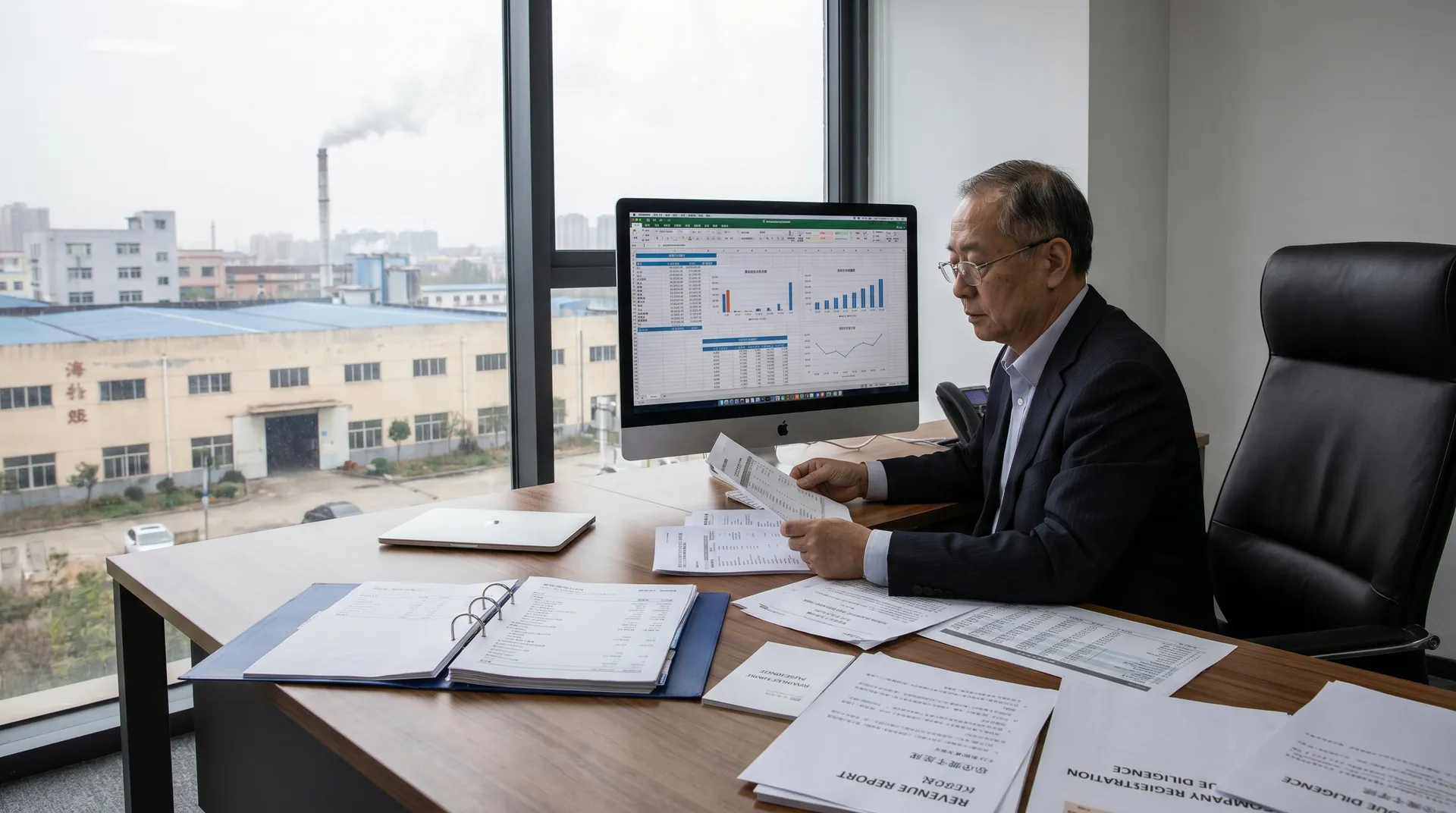
The first step is a legal review of the company. You must request the full name, legal address, unified Credit Code (USCC), information about the owners and managers, as well as copies of licenses for the claimed activities. Special attention should be paid to the availability of permits when it comes to production, export or trade.
The information must be confirmed through the official Chinese registry, the National Enterprise Credit Information Publicity System (NECIPS). If the company is not found in the database or the specified data differs from the information in the documents, this is a reason to refuse to cooperate. It is also important to study the potential partner's website: the presence of an ICP number, the date of the domain creation, the activity on the page and the match of the contact details with the official ones.
Verification is not limited to documents. If a company claims to be a manufacturer, it is worth requesting a photo of the production line, data on the number of employees, and technical data sheets of the equipment. If we are talking about an intermediary, the contract must specify liability measures, warranty conditions, risk insurance or a deposit system.
Audits on trading platforms such as Alibaba and Made-in-China can provide additional confidence. However, a positive profile alone is not enough — you need to compare it with license data, NECIPS, and other sources. In case of significant contracts, experts recommend involving local legal consultants or agencies specializing in due diligence.
Checking a Chinese partner is not an unnecessary formality, but an important element of security in international trade. A timely analysis will help to avoid cooperation with fraudsters, protect investments and build stable supplies.