







The market of aromatic compositions in Russia is undergoing rapid changes against the background of geopolitical constraints and the disruption of established supplies from Europe. Manufacturers and perfume brands facing sanctions barriers are reorienting purchases towards China, Turkey and the Middle East, adapting formulations and building new logistics routes.
Avon Russia's strategy has become one of the most striking examples of market transformation. According to Tatiana Dvoryadkina, Director of R&D and Regulatory Affairs, the company is actively developing cooperation with Asian partners, reconfiguring fragrance formulations for new raw materials. This requires not only the replacement of components, but also careful scientific study in order to maintain the quality and durability of products.
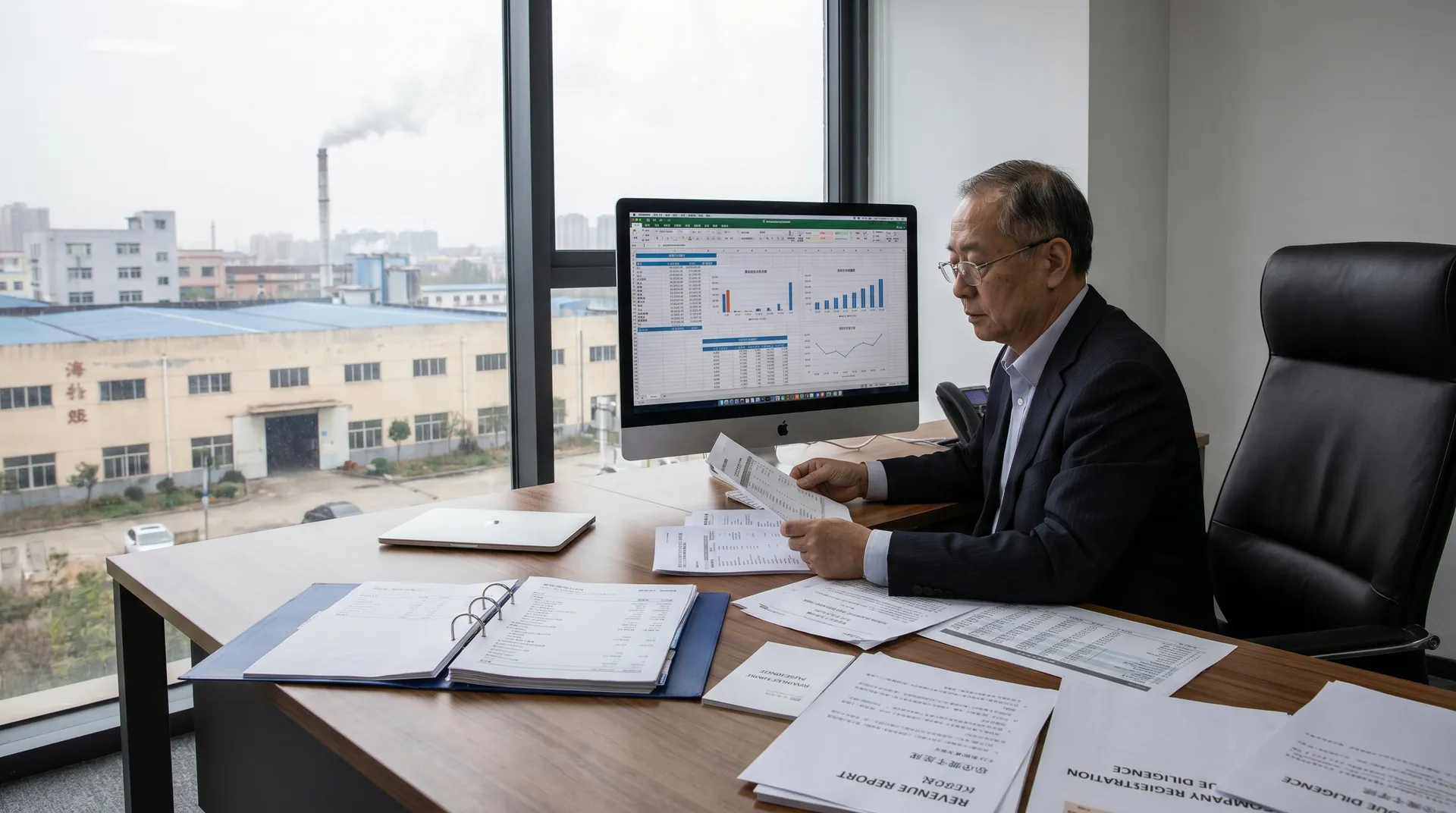
The difficulty of the situation is that perfume ingredients have a high degree of sensitivity — not every analogue is able to preserve the organoleptic properties of the original. Therefore, the selection of new suppliers is accompanied by extensive testing, the development of alternative formulas and strict quality control.
In addition to technological challenges, businesses have to take into account logistical risks. Traditional European shipping routes are being replaced by new ones, often longer and less stable. This requires the restructuring of the entire supply chain, from negotiations with producers of raw materials to customs clearance.
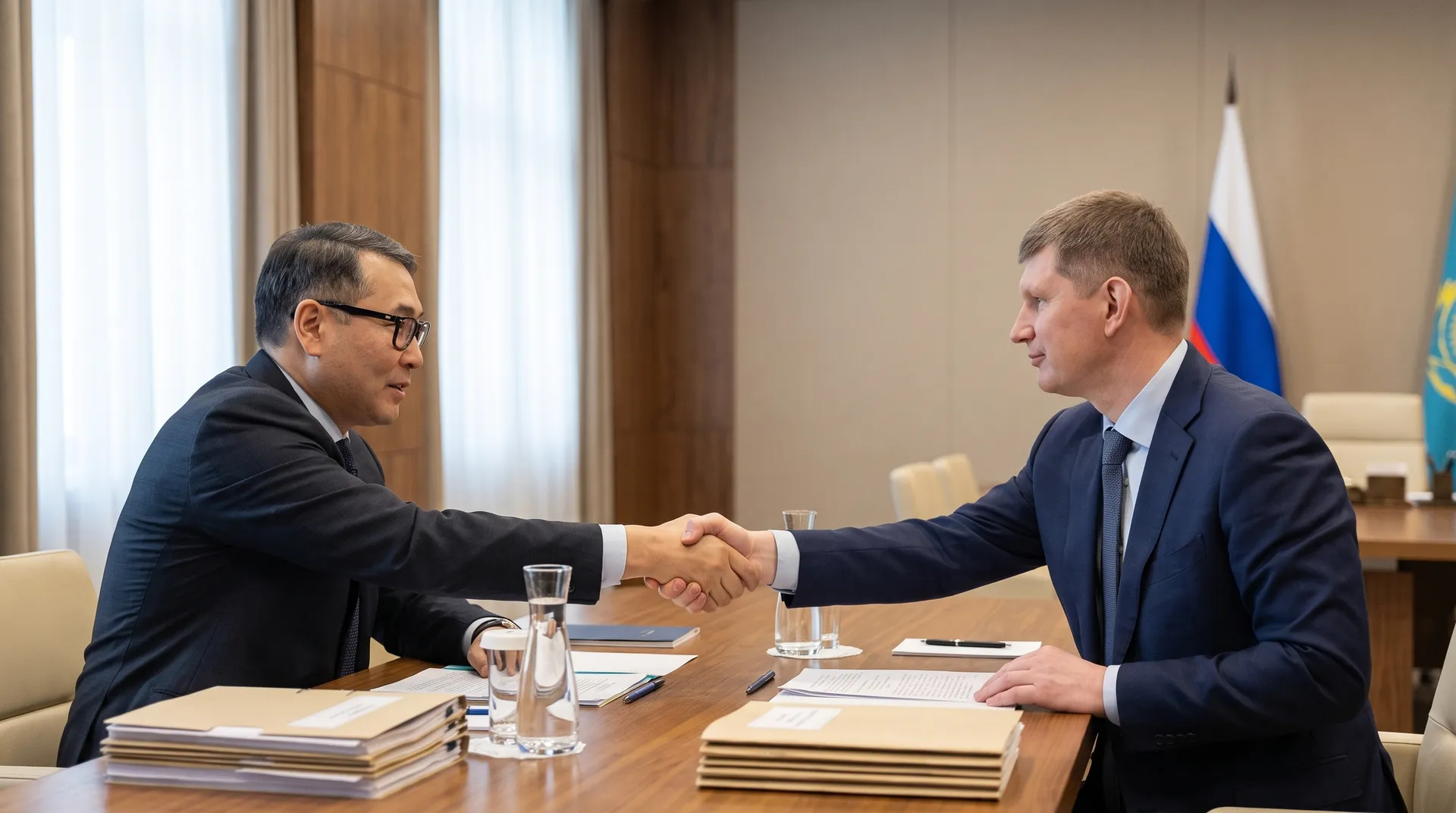
New partnerships with suppliers from China and Turkey are already yielding the first positive results. The countries demonstrate high flexibility and willingness to adapt to the requirements of Russian brands. At the same time, Middle Eastern markets offer a wide range of aromatic compositions that are close to their Western counterparts, but affordable in terms of price and conditions.
The transition to Eastern supplies is not just a necessary measure, but a chance to reformat the entire fragrance industry in Russia. Brands that are able to adapt quickly and build sustainable supply chains will gain not only independence from European markets, but also new competitive advantages.
Thus, despite the difficulties, the Russian perfume business demonstrates a willingness to change, finds new ways and continues to develop, relying on international cooperation with new regions.