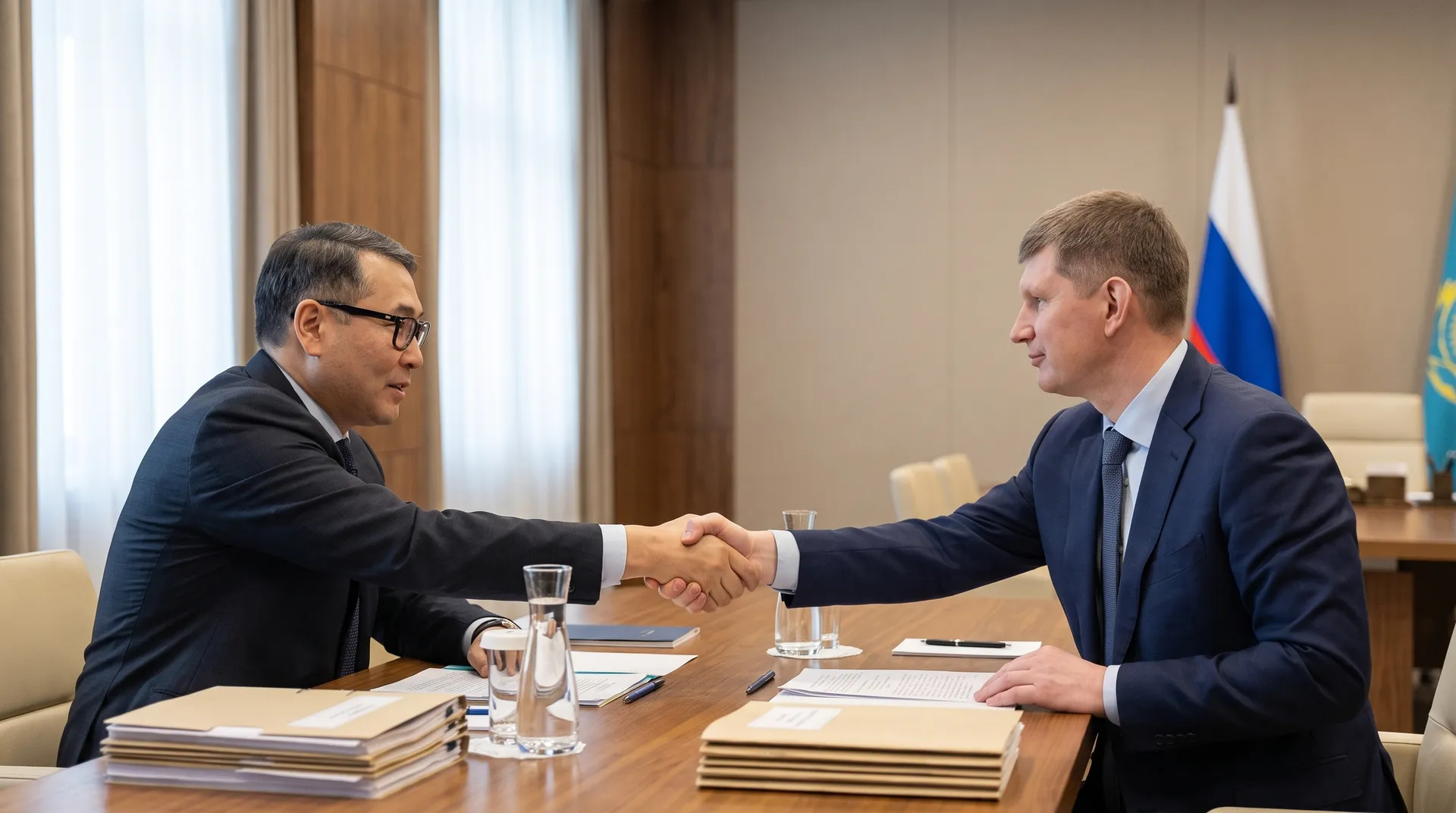





A large-scale humanitarian program of the BRICS countries will be officially announced as part of the upcoming second Traditional Values Forum, scheduled for mid-September in Brazil. Its main goal will be to join forces to provide psychological and social assistance to minors who have become victims of difficult life circumstances.
According to Dmitry Kuznetsov, the curator of the Volunteers of the World project and a member of the Duma Committee on International Affairs, the initiative is aimed at creating a common humanitarian space between the participating countries. The program is timed to coincide with the upcoming Year of the Volunteer, which is officially proclaimed by the United Nations. This highlights the global significance of the initiative and its compliance with international trends in the development of the volunteer movement.
The new initiative focuses on helping children and adolescents from the BRICS countries who have experienced deep psychological trauma. We are talking about the consequences of armed confrontations, extreme poverty, various forms of violence and the loss of loved ones. Dealing with such cases requires a special, professional approach, as many of the children suffer from post-traumatic stress disorder (PTSD).
The key feature of the project will not be a one-time action, but the creation of a stable system of interaction. Specialists and volunteers from Russia, Brazil, India, Ethiopia and other participating countries intend to organize a close exchange of the most effective working methods. It is planned to conduct a series of educational visits, during which volunteers will be able to learn from each other invaluable practical experience in order to later apply it in their homeland.
During 2026, which has been declared the Year of the Volunteer, the program participants will hold many joint events. These will be not only therapeutic and educational sessions, but also cultural events aimed at socializing and unlocking the potential of children. An important outcome of this work will be the preparation of comprehensive methodological recommendations. These materials summarizing best practices will be translated into several languages and made publicly available to social workers and psychologists around the world.
The forum in Brazil will serve as a launching pad for discussing and coordinating further steps in the development of the international volunteer movement within the framework of the BRICS. This event will lay the foundation for building trust and intercultural dialogue, demonstrating that cooperation between countries is not limited to economics and politics, but affects the most humane and sensitive areas of society.
Thus, the alliance is taking a significant step forward in shaping its own humanitarian agenda based on mutual assistance and shared values.