





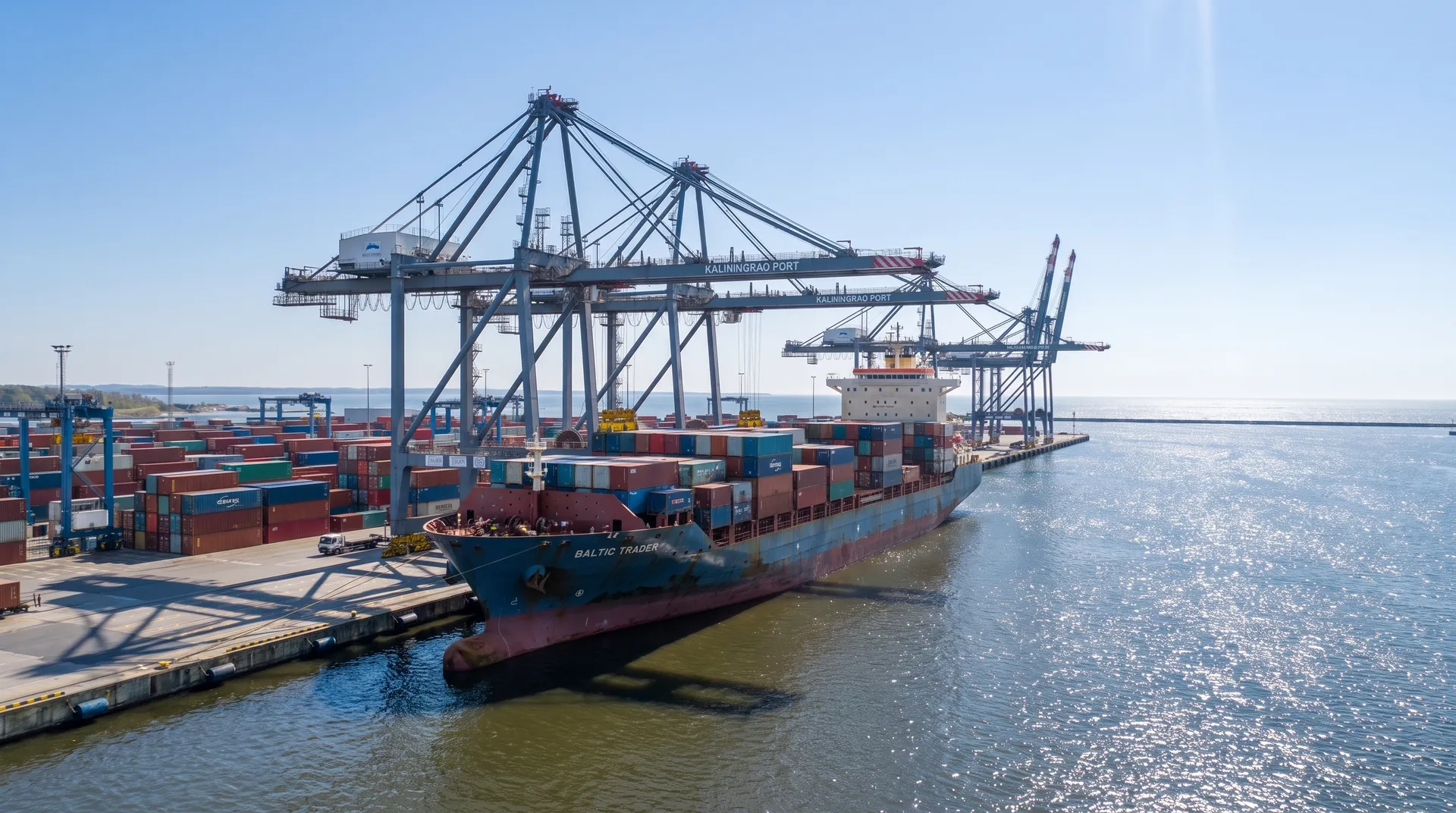
Kaliningrad Region is a Russian exclave, cut off from the main territory of the country by the land borders of Lithuania and Poland. The logistics of supplying the region has always been the subject of special attention, but the sanctions pressure of recent years has turned it into an ever-changing system, where land corridors are shrinking and sea corridors are growing.
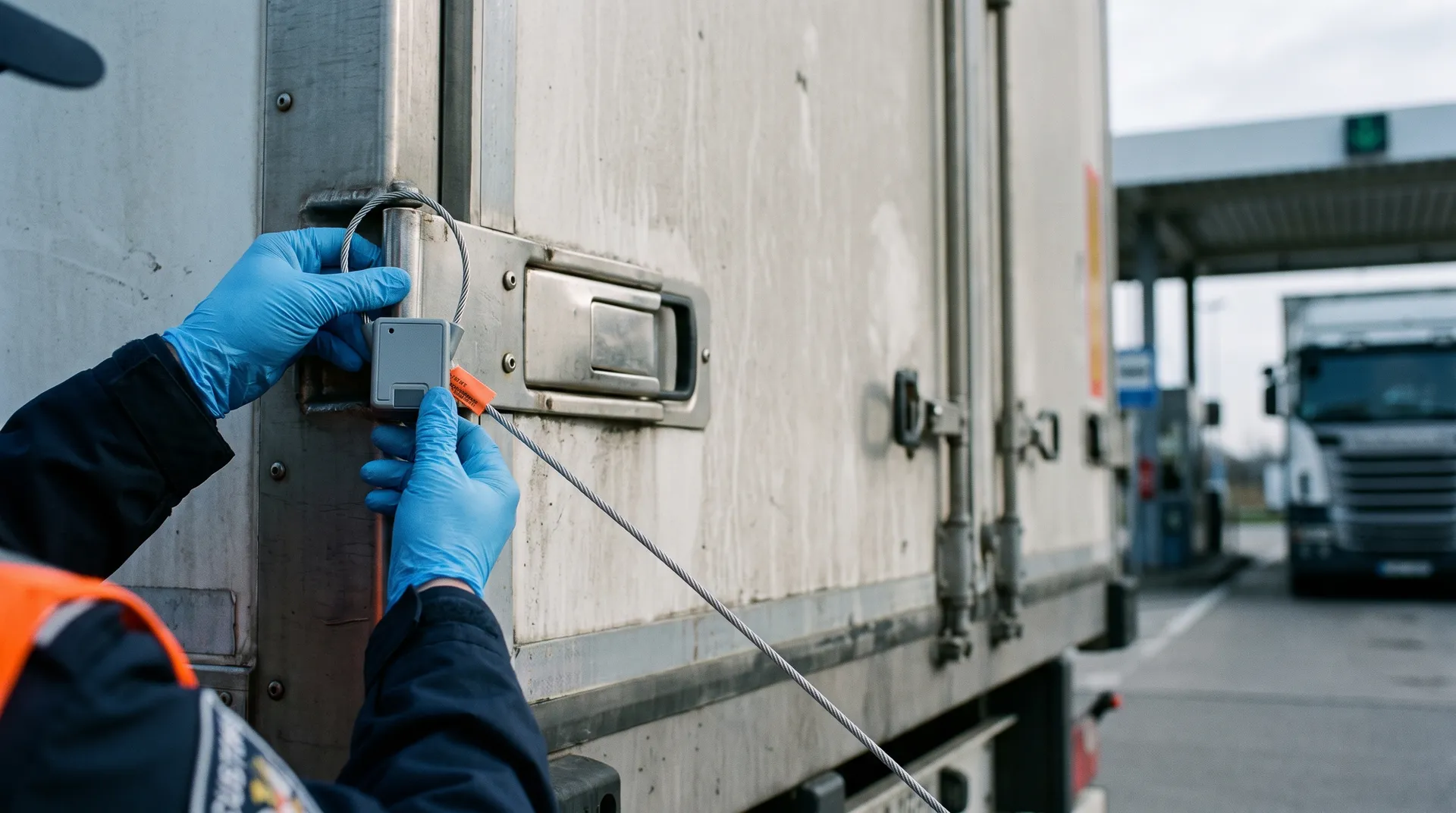
The preservation of all three types of transit is an important signal of stability: despite the restrictions, neither the automobile, nor the railway, nor the sea channel were completely blocked. But the statistics within this stability show a clear shift. Road and rail transport, which depend on transit through the territory of Lithuania, are decreasing year by year under the influence of sanctions restrictions and stricter transit rules from the EU.
At the same time, coastal shipping — transportation between Russian ports without calling at foreign ports — has increased almost fivefold since the beginning of 2022. This is a direct consequence of the reorientation of the region's supply to the sea route through the ports of the Leningrad Region, which does not depend on permits and restrictions from neighboring countries.
The fivefold growth in four years is not a gradual evolution, but a forced restructuring of logistics to a new reality. Sea coasting has become not a backup, but the main stable supply channel for the exclave, while overland transit has moved into the category of a shrinking and increasingly less predictable direction.
For companies working with the Kaliningrad direction — the supply of goods to the region or the export of products produced there — the practical conclusion is clear: plan logistics with priority on the sea route through the ports of the Leningrad region. Overland transit through Lithuania should be considered as an additional rather than the main channel, given its continued compression and the risk of further restrictions from the EU.