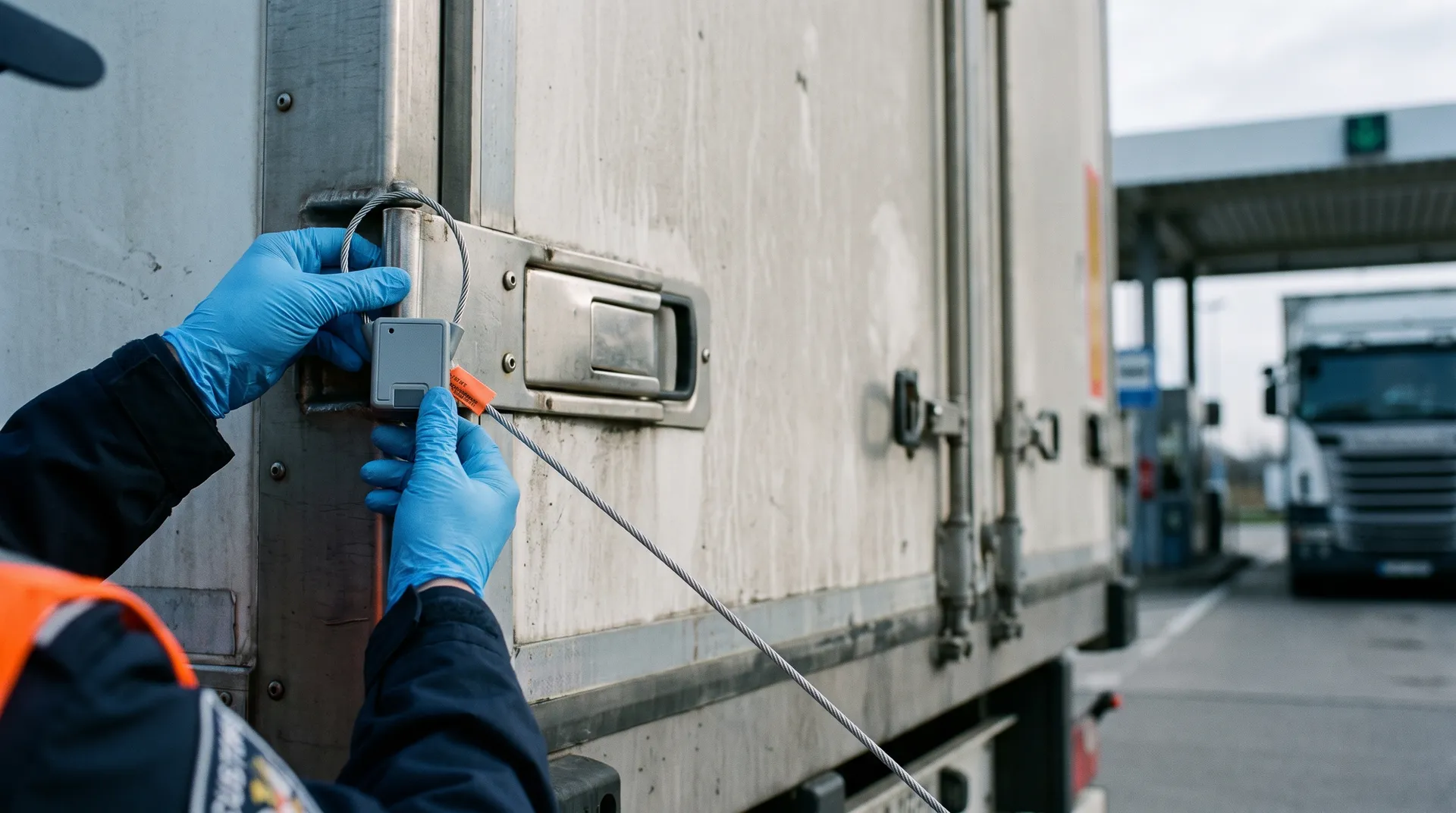









The US tariff pressure on Brazil is increasing. The 25% duty, confirmed last week and coming into force on July 22, turned out to be not the final point, but only the first layer. The Brazilian government is now publicly assessing the likelihood of a second strike — an additional 12.5 percentage points, which would bring the cumulative rate to 37.5%.
The fundamental difference between the second layer of the duty is in its base. The first 25% are motivated by accusations of unfair trade practices specific to Brazil: digital commerce, the operation of the Pix payment system, and intellectual property issues. An additional 12.5% rely on a completely different argument — an investigation into insufficient control over the import of goods produced using forced labor, which covers not only Brazil, but also the European Union, along with 59 countries.
This division is important for understanding mechanics. Two bases — two different product lists, two different sets of criteria, two separate procedures. A company whose products are excluded from the top 25% through the exclusion list is not necessarily protected from an additional 12.5%, since the criterion of forced labor applies to the production chain, and not to the product category as such.
Both layers rely on the same legal instrument, section 301 of the Trade Act of 1974, which gives the US administration broad powers to investigate and impose retaliatory measures against countries whose practices are found to be harmful to American trade. Using the same mechanism for two different bases shows a systematic approach rather than a one-time solution.
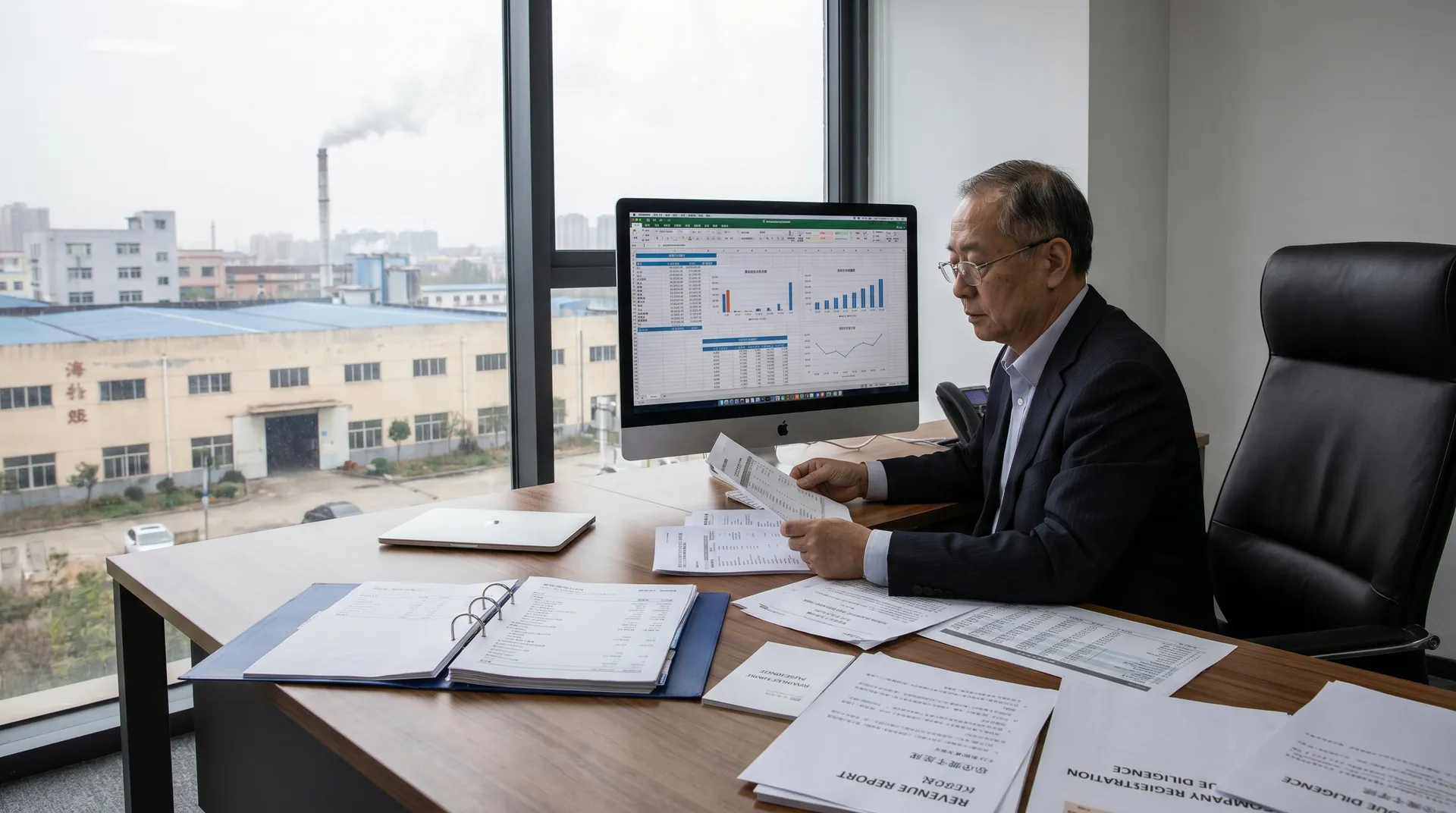
For Brazilian exporters to the United States, the practical conclusion is to prepare for the 37.5% scenario, not just 25%. A separate task is to assess whether the company's products fall under the criterion of forced labor in the production chain: this is an independent foundation with its own list, and protection from the first 25% through exceptions does not guarantee protection from the second layer. Companies with long supply chains should prepare in advance documentary evidence of working conditions in their production chain — it can be an argument for exclusion from additional duties.