





India became the BRICS chairman in 2026 with a specific program. New Delhi has identified deepening trade integration with the Eurasian Economic Union as one of its priorities. The negotiations on the EAEU–India free trade area, which have been progressing slowly for several years, received a new impetus this year.
For India, the logic is simple. The United States has imposed 50 percent duties on Indian exports, one of the highest among major economies. This creates pressure on Indian manufacturers and traders who are losing the American market. The EAEU, with its 180 million market and preferential terms for the union's members, is a natural alternative.
For Russia and the EAEU countries, the agreement opens up access to a market with a population of 1.4 billion people and a GDP of about $4 trillion. India has already become one of the main areas of Russian exports — oil, fertilizers, coal, metals. The free trade zone is able to expand this list: food, chemicals, mechanical engineering, and the defense industry.
Negotiations are underway on several tracks. The first is tariff reduction: India's average import duty is about 12%, while that of the EAEU is significantly lower. Equalizing conditions will require compromises. The second is sanitary and phytosanitary requirements, which traditionally become a barrier to agricultural exports. The third is the integration of payment systems and settlements in national currencies.
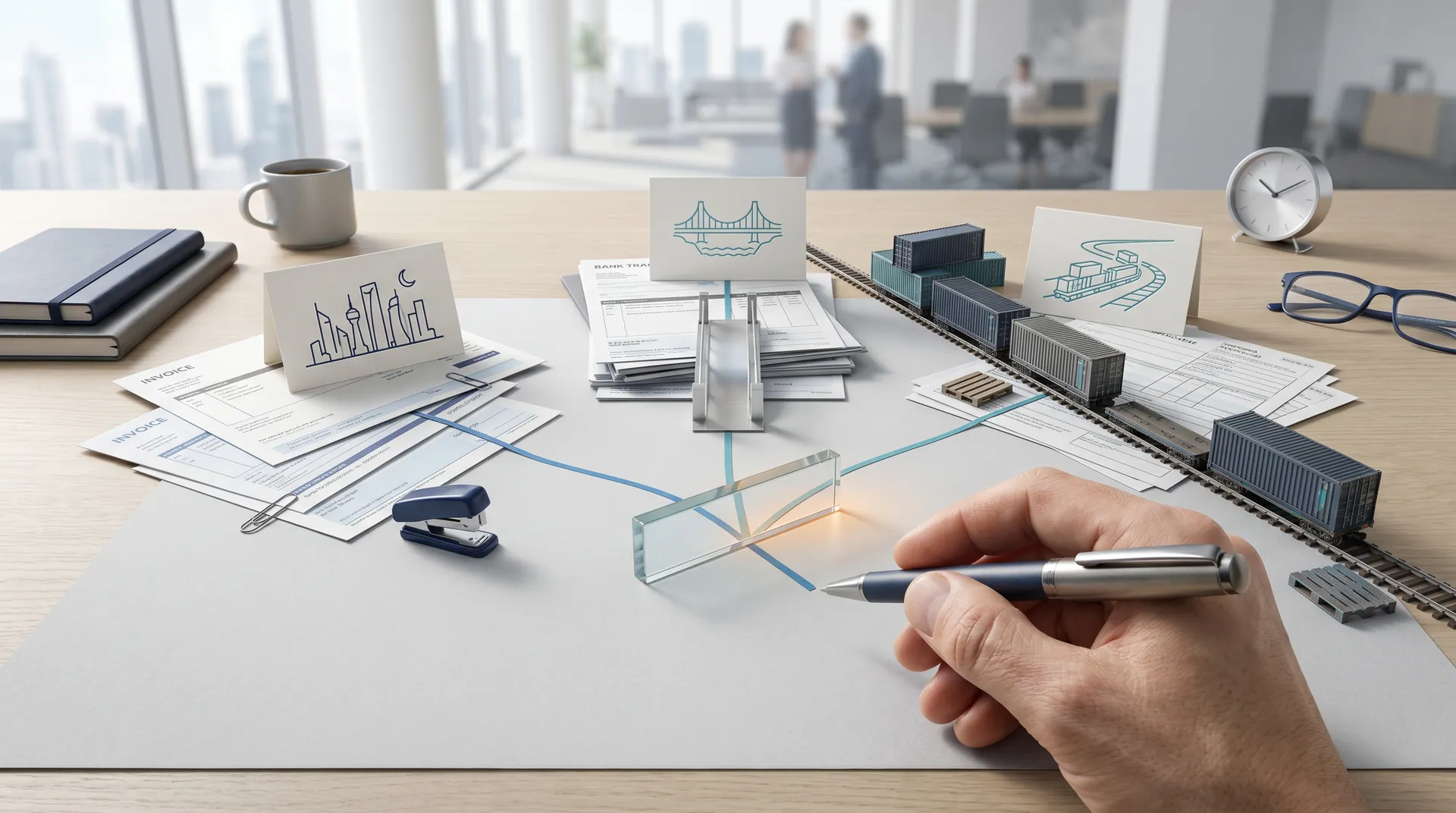
At the same time, BRICS is creating a financial infrastructure for a future agreement. Russia and India already conduct most of their mutual settlements in rubles and rupees. Russian Railways Logistics is building railway routes to India via Iran and the UAE. The NDB finances infrastructure projects in both countries in yuan and national currencies.
When the agreement will be concluded is still an open question. Negotiations are difficult: both sides have sensitive industries that need to be protected. But the direction has been set, the pace is increasing, and for Russian businesses working with India or planning to enter there, now is the right time to build relationships with Indian partners. Those who come first will get the best conditions.