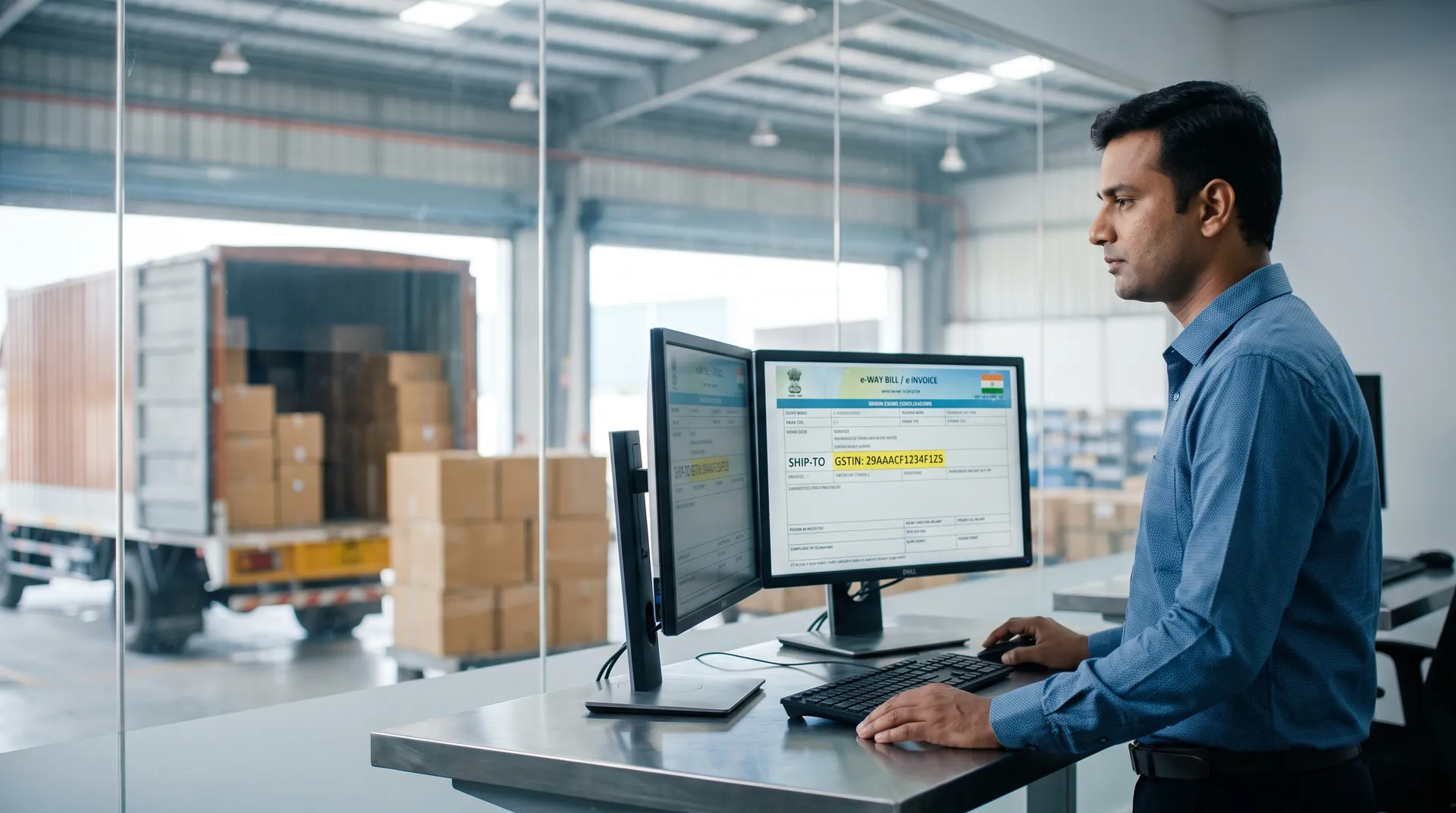









The year 2026 for sellers on Ozon is a year of continuous tariff changes. Since April, the overall commission rate has reached 50-55% for the first time in terms of categories. Logistics has been recalculated several times. Against this background, fixing FBO tariffs for 60 days is a step towards stability.
How the mechanism works
The principle is simple: the date of creation of the supply request fixes tariffs for two months in advance. It is not the date of acceptance of the goods to the warehouse or the date of sale, but the date when the application was created.
What is fixed: the tariff for delivery (depends on the volume and direction of the cluster), the tariff for reverse logistics (return of goods from the buyer), the cost of processing non-standard goods.
What is not fixed: the basic Ozon commission for the sale, the surcharge for non-local orders (it is linked to the cluster), the storage fee beyond the free period.
Why is this important for importers
The most painful situation for a seller working with imported goods: he signed a supply contract from China three months ago, calculated the economy at the same tariffs — and by the time of the sale, the tariffs had changed. The profit that was in the calculations has disappeared.
With a 60-day fix, the planning window is extended. If you create an application immediately after receiving the goods at customs, you can predict logistics costs up to the moment of sale.
Practical actions
To create an application for delivery to Ozon immediately after making a decision on the batch is not to delay until the last. Track the expiration date of the 60-day window: create a new order for the next delivery a few days before it ends. Recalculate the unit economy, taking into account fixed tariffs for current applications, and make sure that the calculations are up to date by July 30.
Simultaneously with the tariff fixing, Ozon has already introduced a maximum surcharge of 12% for non—local orders to four regions since May 1 - Omsk, Orenburg, Perm, Samara. Goods that are not placed in local warehouses in these clusters make sales there unprofitable.